Robert Marchand
Head of School
Do up your tie, tuck in your shirt, button your jacket. It can seem tedious at times, as our faculty can tell you. And it is. But it’s also more important than many people realize.
Increasingly, I run into the argument that schools such as ours place too much emphasis on etiquette, with our school uniforms and archaic social graces. Even when these practices are defended, they are often described as “soft skills”, as though they were beneficial but secondary to a student’s education. I would argue that they are as crucial as any other set of skills for navigating the world.
In the world of education, there is increasing criticism of this approach, which emphasizes formality and good manners, as somehow repressive. The suggestion is that wearing a school uniform or addressing teachers by their last name is alienating, inhibits personal freedom, and lacks a personal connection. The argument goes that these forms of social etiquette belong to the distant past and that a modern world must embrace a more casual stance. (I can only assume that this is how overly casual Fridays and wearing pyjamas to the airport have come to plague us.)
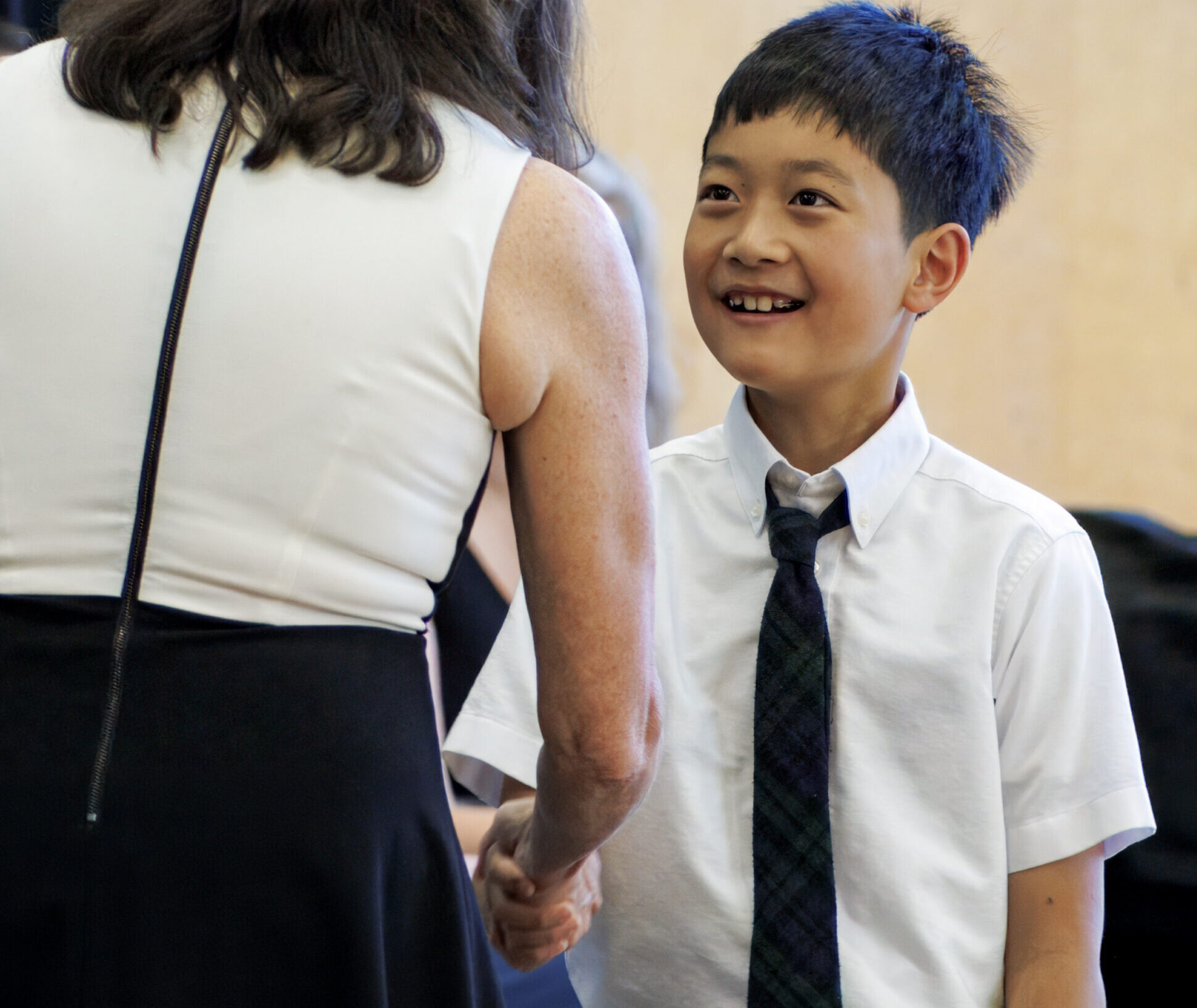
I realize I risk dating myself here, but allow me to make the case that my insistence on some formality and social niceties is more than an aesthetic choice. In fact, I think teaching students these skills is just as important as teaching any other skills. Students who enter the world knowing how to make eye contact, introduce themselves, address a
group, greet others confidently and appropriately, and dress professionally will have a distinct advantage in a world that increasingly fails to teach these things explicitly.
These aren’t “soft skills”; these are skills. Civility and good manners are not just socially correct; they help foster positive and respectful interactions with others and allow us to negotiate for our mutual benefit. I believe that they represent one foundation of what will become a successful life.
Like any skill, civility takes practice, and practice forms habits. Over time, those habits become part of how we conduct ourselves and how we treat others. It may seem anachronistic, but I am convinced that learning to conduct ourselves with courtesy and consideration remains one of the pillars of a sound education.